Category Archives: EMSL Projects

More cool electronics tools

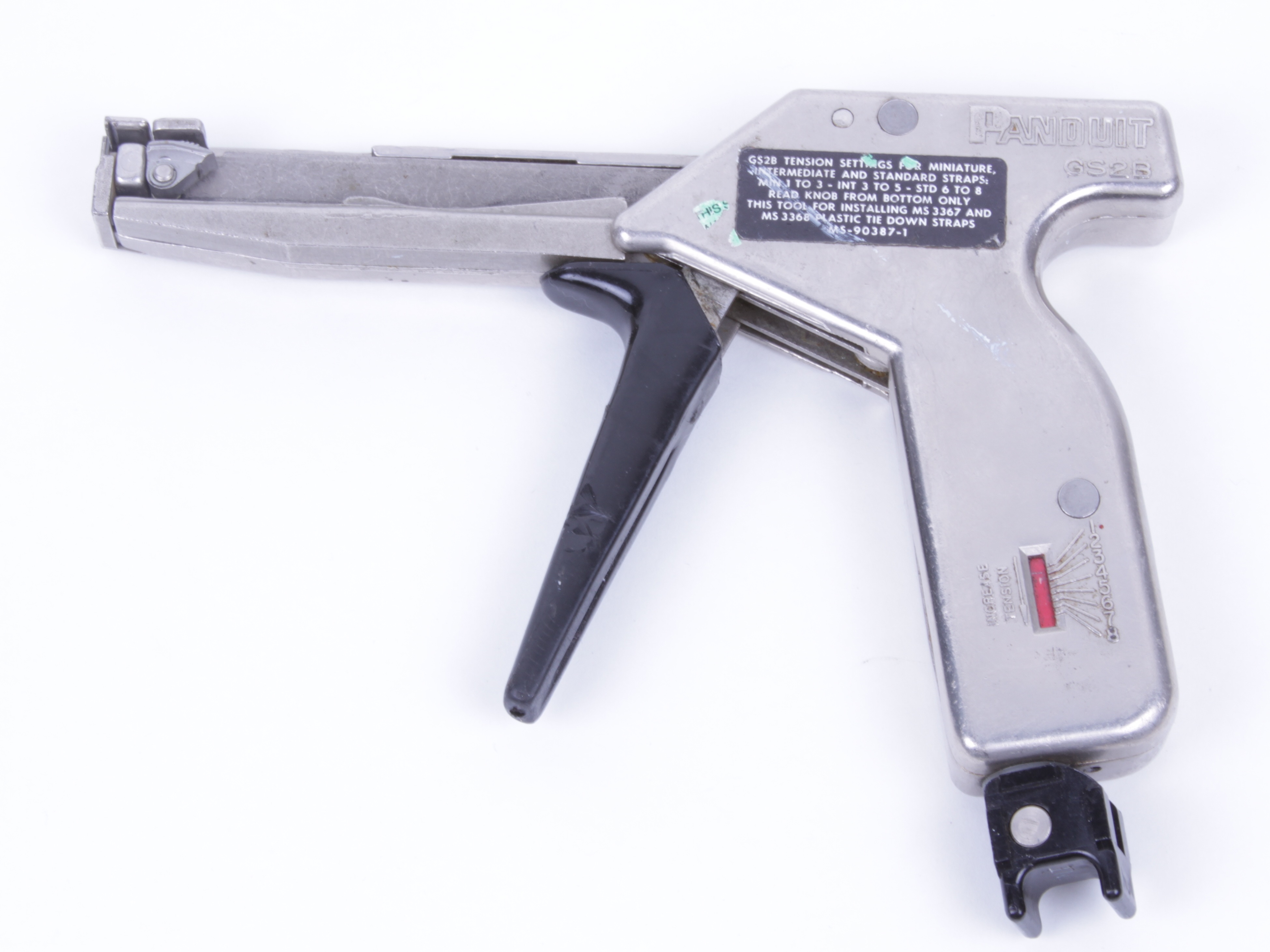
Cable tie tool 1

What is it? Hint: your life depends on tools like these.

Some time ago we wrote about five relatively obscuretools for doing electronics. But, five tools barely scratches the surface of the stuff out there, and here are a few more of our favorites. In this roundup we’ve collected some handy–and even important –tools along that you might not have seen before, along with some best-of-breed versions of everyday electronics tools.

Continue reading More cool electronics tools

Advancing open hardware with a few clear words.

2313Card - 2

Over the last few years we’ve been excited to be part of the rapidly growing open-source hardware community. One of the recurring issues in this community has been the lack of agreement on what constitutes an acceptable license for open hardware. For open source software, there’s a common language to start with: the Open Source Definition. But where is the analogous root document for us hardware folks?


Of course, there simply isn’t one. Or rather, there hasn’t been one until now.


Over the last few months, we’ve been helping to hammer out a draft definition of what it means to be open source hardware, in collaboration with open source stars including folks from Chumby, Bug Labs, Sparkfun, Arduino, Adafruit, MakerBot, Eyebeam, Make, and Creative Commons, amongst others. It’s a modest but important step in defining what it means for a project to be open hardware.

The current draft definition is labeled version 0.3, and hopefully we’ll be advancing it towards a 1.0 in the coming months. There’s an Open Hardware Summit scheduled to take place before Maker Faire NY. As things advance we’ll be working on ways to connect to actual licenses and to the other needs of our community. If you have the inclination, please check out the draft and see what we’ve been up to.

Evil Mad Science in Sacramento, Santa Clara and Detroit

Eggbot

Yes, we’re venturing out of the lab:


Saturday, July 17, we’ll be demonstrating Egg-Bot at the California State Fair in Sacramento. We’ll be in the Industrial & Technology Education building.


Sunday, July 18, we’ll be taking Tabletop Pong (and maybe Tennis for Two) to California Extreme in Santa Clara, CA. California Extreme is an event with a terribly vague name that is probably your only chance to play Gauntlet, Orbiter-1, and Hyperball on free-play!


July 31-August 1, we’ll be in Detroit, MI at Maker Faire with Bruce Shapiro and Egg-Bot.


We hope to see you there!

EggBot photo from San Mateo Maker Faire 2010 by madichan (licensed under cc by-nc).

We’re looking for a few good eggs

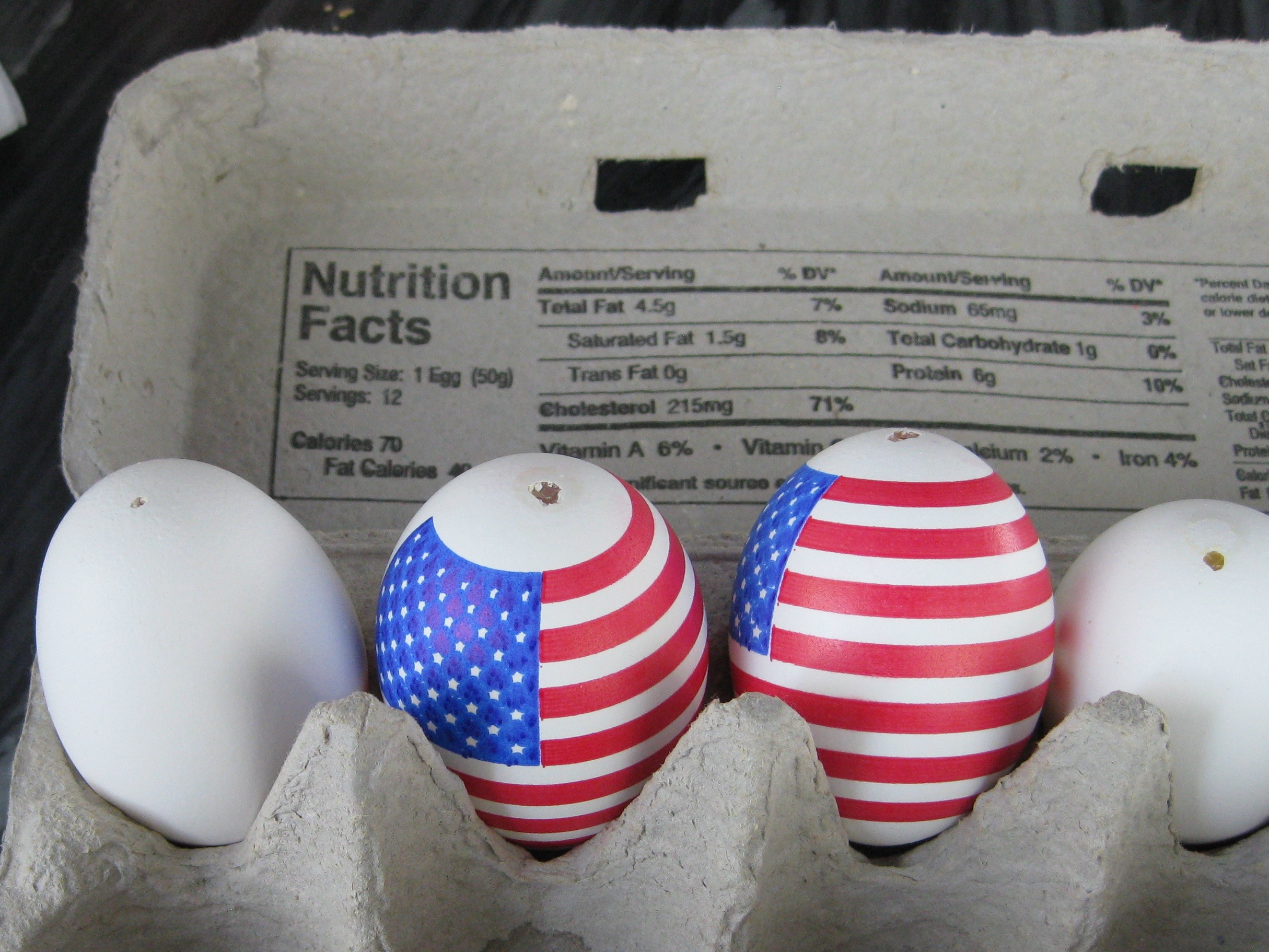
American Eggs

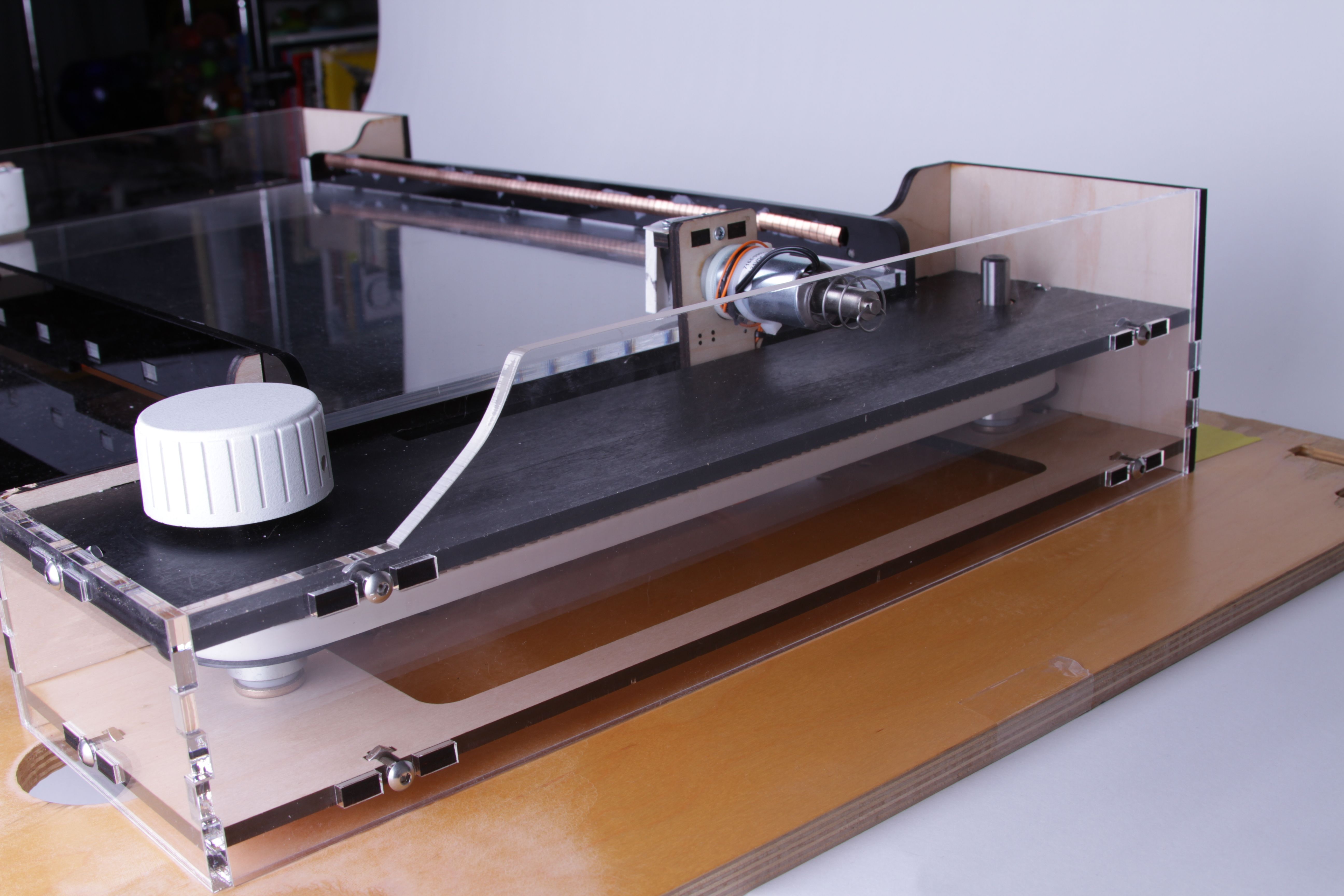
Our Egg-Bot kit— a compact open-source robotics platform –is on schedule to come out later this summer, and we could use a little help getting it ready. We’re looking for 2-3 more volunteers with programming experience to help us test and polish our cross-platform Inkscape driver.

As a volunteer, you’ll get (1) to be one of the first to play with these awesome little machines, (2) an acknowledgement in the kit release, and of course (3) a prerelease Egg-bot kit (screwdriver-type assembly but no soldering required) that you can keep.


Here are the baseline requirements:

  1. At least two platforms (of Mac, Linux, and Windows) that you can test things on
  2. Programming experience in Python
  3. US resident (A matter of mailing time, in this case!)
  4. Enough free time and enthusiasm to help out with the project this month


If you meet these requirements (especially the enthusiasm part), drop us a line on our contact form and let us know a bit about you. We’ll be accepting applications through July 9.

We’ll be giving bonus points for the following as well, so be sure and let us know:

  • Enthusiasm for and/or experience in robotics education
  • Mad art skillz
  • Mad programming skillz
  • You happen to be located in Silicon Valley
  • Cross-platform experience in python
  • Experience with Inkscape
  • Experience with Processing


Thanks!

Update: Holy crap that was fast— we’re already overwhelmed by volunteers– you guys rock!

Diavolino

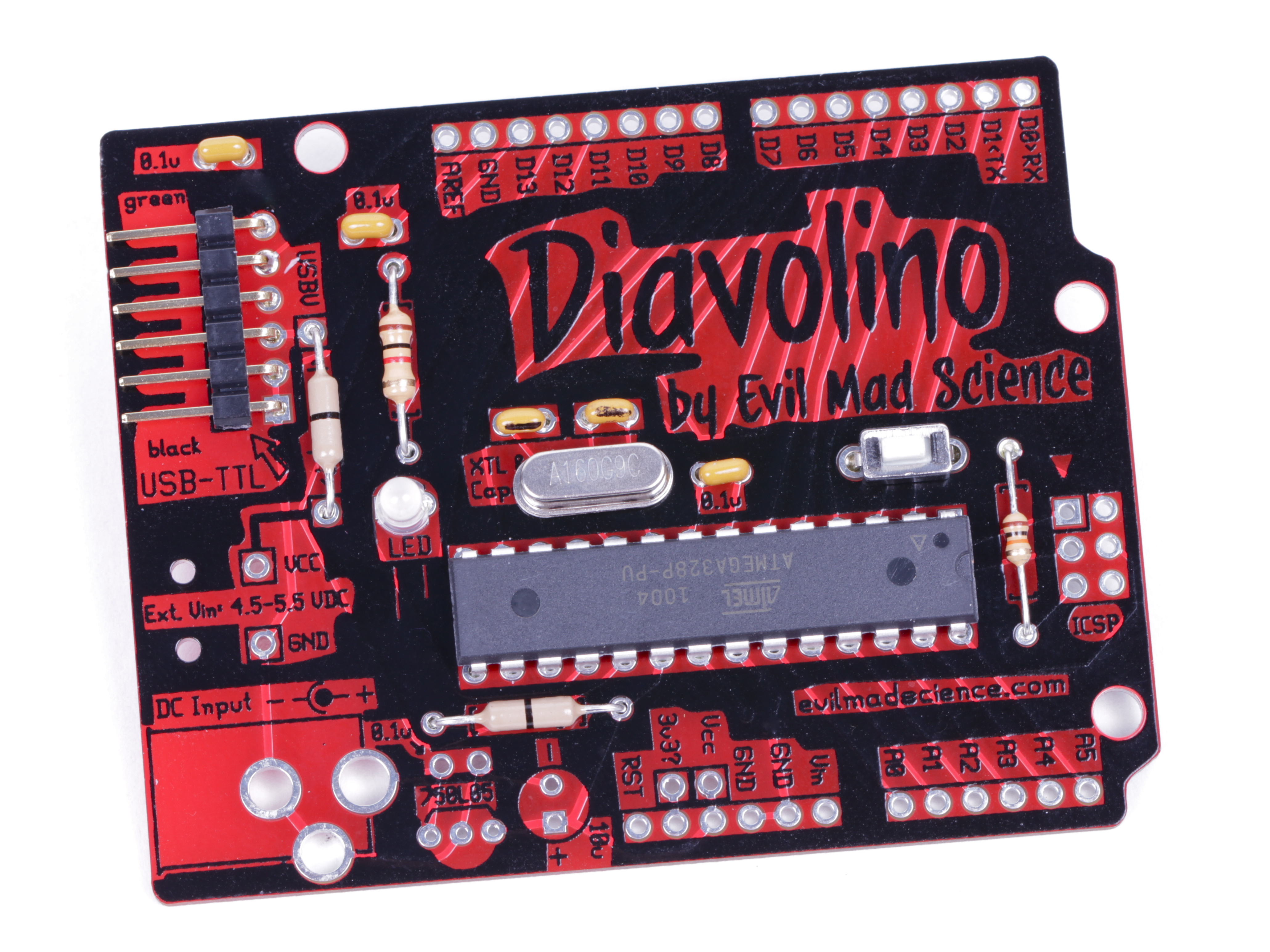
Diavolino-angle2

Say hell-o to Diavolino. Yes, it’s yet-another Arduino compatible board, but it’s cheap and kind of neat. Simplified design, rounded corners, and shiny. Open source kit. You can get one at our store here.

We designed this primarily in response to local need in our San Francisco hacker community for low-cost boards for teaching.

In many ways, this project is reminiscent of and complimentary to our ATmegaXX8 target boards, which are low-cost, simple design circuit boards for programming AVR microcontrollers through an ISP connection. And while you can add one, those boards don’t have a place to put a USB-TTL cable. And so here we are. Continue reading Diavolino

Peggy 2: Clock Concept Contest!

White LEDs

There are probably thousands of cool ways to build clocks based around an LED matrix, and we’ve seen some neat analog and digital clocks based on our Peggy 2 kit. But we’ve also come up with a few dozen other cool ways to show the time, and realized that we’ve only scratched the surface.

So today, we’re announcing a Clock Concept Contest: Show us your coolest idea about how to build a Peggy clock, and you could win one!
Continue reading Peggy 2: Clock Concept Contest!

Peggy 2: Adding a ChronoDot

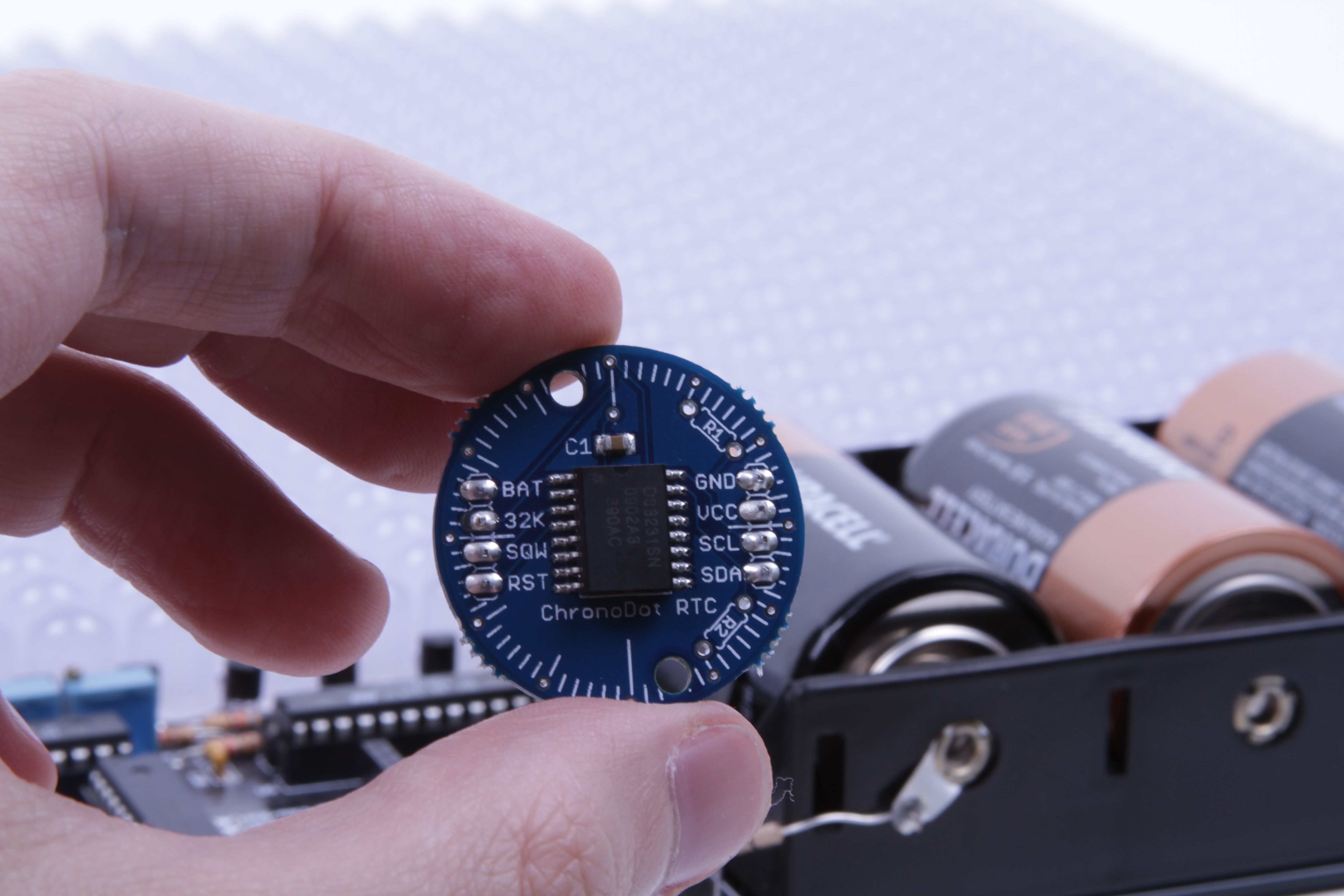
Peggy-chronodot - 7

Peggy 2 is our intelligent, Arduino-compatible (“freeduino” based), multiplexed 25 x 25 LED matrix, supporting up to 10 mm LEDs (or up to 5 mm LEDs in the Peggy 2LE version). It supports single-color LEDs at each point in the matrix, but you can mix and match different color LEDs throughout the matrix, and you don’t have to populate every LED location.

Since the whole matrix is available to control, it can be used to make an interesting clock in a lot of different ways.

One of the things that is sometimes helpful on a clock is to get slightly better precision than is available from a regular quartz crystal, and we’ve been using Macetech’s ChronoDot module on our Bulbdial clock kit. However it’s almost as easy to add the ChronoDot to the Peggy, and here’s how to do so.

Continue reading Peggy 2: Adding a ChronoDot

Some techniques for custom iron-on

Custom iron ons 10

Iron-on technology is amazing. Fusible webbing products like Wonder Under and Stitch Witchery have become ubiquitous. Even IKEA sells curtains with strips of webbing for no-sew hemming. And yet fusible webbing is usually dismissed by “serious” seamstresses. I’m here to defend the stuff and say that it definitely has its place, both for machine cutting custom iron-on fabric pieces and for more free-form projects as well. More importantly, here are some techniques that I’ve figured out for making strong custom iron-ons for a variety of purposes.

Continue reading Some techniques for custom iron-on

Tricks of the trade: Twisting wire bundles

Wire Twisting - 23

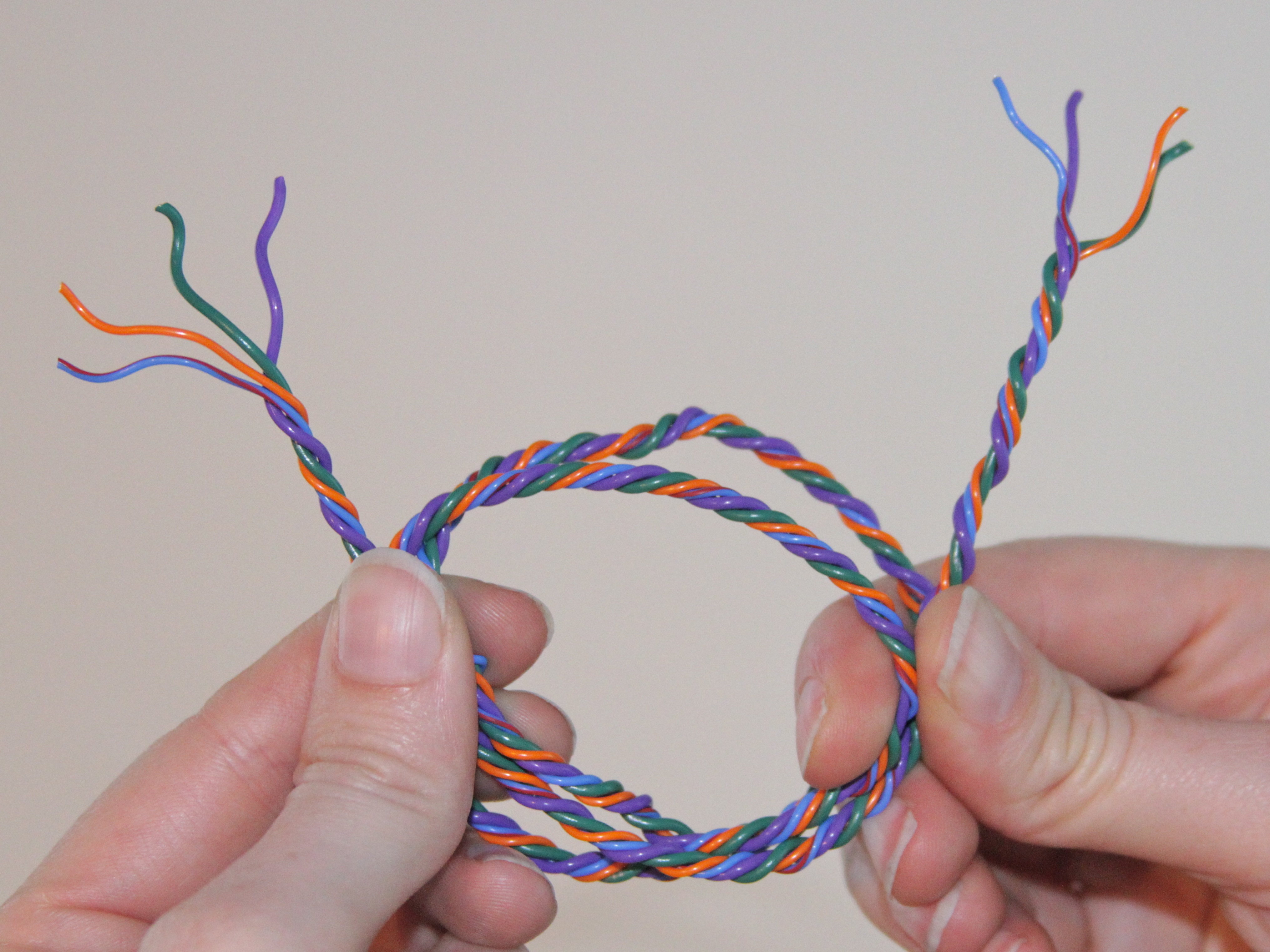
A common problem that you may come across when building “a box” to do something– whether a one-off gizmo or bona fide scientific instrument –is the rats nest of wires. A similar problem occurs when you need to run a bunch of basic wires out from your box to other devices. Unless there’s a standard cable lying around that does exactly what you need, you can end up with messy tangles of wires outside of your box as well.

There are many well-known solutions of course, as varied as elegantly laced wiring harnesses, cable tiesand teflon spaghetti sleeving, heat shrink tubing and cold shrink tape, and (possibly for the brave and/or insane) duct tape and paperclips.

Wire Twisting - 25

One of the other basic methods– well known to many people who build electronics –is to twist wire bundles with a hand drill and a friend. This is a quick and awesome trick that makes durable cables, short or long, exactly to your specifications, and shockingly fast.
Continue reading Tricks of the trade: Twisting wire bundles

Improving Tabletop Pong

Tabletop Pong-- Updated - 04

This weekend we brought our updated Tabletop Pong game to Maker Faire, where it survived two hard days of play by hundreds and hundreds of attendees. We were amazed by the reactions to it– particularly that such young and old people alike enjoyed playing it so much.

Of course, our first version back in January was a bit more iffy, and might not have survived a couple of hours at the fair. Here, we discuss the upgrades in some detail, complete with video and– now that it is working well –design files.
Continue reading Improving Tabletop Pong